
SEDATION DENTISTRY FOR KIDS MELBOURNE
Creating Positive, Relaxing Dental Experiences
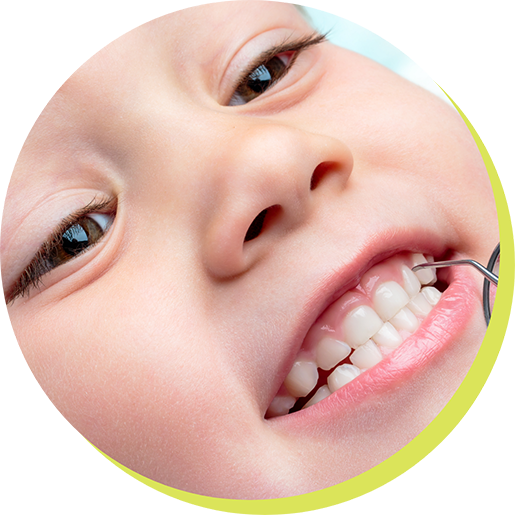
It’s not uncommon for children to feel anxious about visiting the dental office, especially if they’ve had bad past experiences or just haven’t come in enough yet to feel comfortable. While our team strives to be as gentle, compassionate, and welcoming as possible to make sure your child feels right at home, there are certain situations in which we may recommend sedation dentistry for kids in Melbourne. You can learn more about the different types of sedation Dr. Miner offers below, or reach out to schedule a consultation!
Why Choose Riverside Smiles Pediatric Dentistry for Kids’ Sedation Dentistry?
- The Team Only Works with Kids, Providing a True Kid-Friendly Environment
- Pediatric Dental Specialist with Over 10 Years of Experience
- Fun, Welcoming Dental Office with River-Themed Rooms
Nitrous Oxide Dental Sedation (Laughing Gas)

We may recommend nitrous oxide (also called laughing gas) for children who are anxious about sitting in the dentist’s chair or who are scheduled for especially intensive restorative treatments. Dentists have used nitrous oxide to help patients stay comfortable during treatment for almost two centuries, and it remains a popular sedation option because it is incredibly safe, effective, and noninvasive as well as free from long-term side effects. Here’s a quick look at how nitrous oxide sedation works from the friendly team at Riverside Smiles Pediatric Dentistry, but please feel free to contact us if you’d like to know more.
Who Is a Good Candidate for Nitrous Oxide?

Nitrous oxide can be a safe and effective form of dental sedation for virtually everyone regardless of age, and it may be an especially excellent option for your child if they deal with issues like:
- Anxiety related to needles
- Difficulty sitting still
- Sensitive teeth
- An especially powerful gag reflex
- Fear of visiting the dentist
- Resistance to other anesthetic treatments
However, nitrous oxide may not be a suitable choice for a patient who has nasal congestion or a respiratory infection or who is taking medication that may interact with it.
How Does Nitrous Oxide Work?
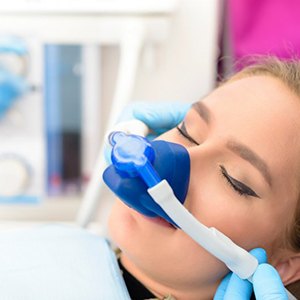
The process of administering nitrous oxide is safe, quick, and simple. We’ll place a small mask over your child’s nose that will allow them to breathe in a colorless, odorless gas. A trained staff member will monitor them during their procedure to ensure their safety and comfort. Once their treatment is complete, we’ll remove the mask and they’ll be able to carry on with the rest of their day as they normally would since the effects wear off quickly. Your child may experience a little queasiness or dizziness for a few minutes after the procedure, but these will fade after a few minutes.
Aftercare for Nitrous Oxide
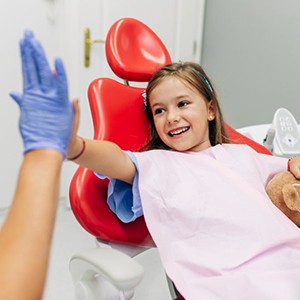
One of the best things about nitrous oxide is that it has no long-term side effects and will be eliminated from the body within minutes after the treatment ends. While your child may feel a little dizzy or slightly nauseous for a few minutes, these minor side effects will fade quickly so your child can resume their normal activities. However, it’s still essential to observe the aftercare instructions for the dental treatment your child received while sedated so they can enjoy a comfortable and complication-free recovery process.
IV Sedation (Coming Soon)
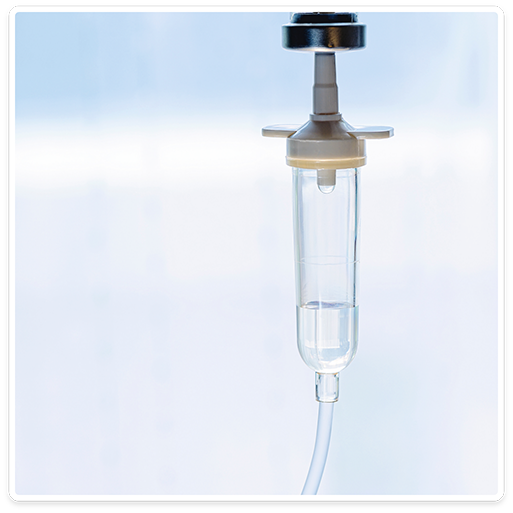
For more extensive procedures or a severe fear of the dental office, we may recommend IV sedation. This is administered by a trained anesthesiologist who will also monitor your child throughout the procedure. It’s important that your child take the remaining day off of school and any extracurricular activities until they feel 100 percent again.