Dental visits can be intimidating for children, especially if they need extensive treatment or struggle with dental anxiety. Sedation dentistry can help young patients feel more comfortable while allowing a pediatric dentist to provide the care they need. But is sedation dentistry safe for children? When administered by appropriately trained professionals who follow established safety guidelines, sedation dentistry can be a safe and effective option for many children. Here is what parents should know about two common sedation methods: nitrous oxide and IV sedation.
What is Nitrous Oxide Sedation?
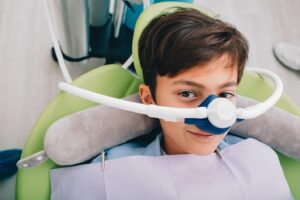
Nitrous oxide, often called laughing gas, is one of the most common sedation methods used in pediatric dentistry. It involves breathing a mixture of nitrous oxide and oxygen through a small mask placed over the nose.
Nitrous oxide helps children relax without typically putting them to sleep. They remain awake and responsive throughout the procedure, but they may feel calmer and less worried about their surroundings.
One advantage of nitrous oxide is that its effects wear off quickly after the gas is stopped and the child breathes oxygen as directed. Most children can return to their usual activities shortly afterward, provided their pediatric dentist has no concerns.
Nitrous oxide is generally considered safe when administered and monitored appropriately. However, it may not be suitable for every child, particularly those who cannot comfortably breathe through their nose or cooperate with wearing the mask.
Is IV Sedation Safe for Children?
For children who need more extensive dental treatment or cannot tolerate procedures with lighter sedation, intravenous (IV) sedation may be an option. Medication is administered through a vein to help the child relax and tolerate treatment. Depending on the medications and dosage, the level of sedation can range from moderate to deep.
IV sedation requires careful planning, appropriate training, and continuous monitoring. A child’s breathing, oxygen levels, heart rate, and other vital signs must be monitored according to the level of sedation and applicable safety guidelines.
Although IV sedation can be beneficial for certain patients, it carries greater risks than nitrous oxide, including breathing difficulties and changes in heart rate or blood pressure. A pediatric dentist and qualified sedation professional must determine whether it is appropriate based on the child’s individual needs and health history.
Parents should also understand that deep sedation can affect a child’s ability to respond independently, making appropriate airway management and emergency preparedness essential.
What Makes Pediatric Sedation Safe?
Several precautions help minimize risks during sedation dentistry. Before recommending sedation, a pediatric dentist should review your child’s medical history, current medications, allergies, previous sedation experiences, and any relevant health conditions.
Depending on the sedation method, the dental team may provide specific fasting instructions, explain what to expect, and discuss potential side effects. Parents should follow these instructions carefully.
During treatment, the dental team monitors the child and remains prepared to respond to complications. Afterward, the child should be observed until recovery criteria are met, with clear instructions provided for care at home.
If your child is nervous about dental treatment, talk with a pediatric dentist about nitrous oxide, IV sedation, and other ways to make visits more comfortable. Together, you can choose an approach that prioritizes your child’s safety, comfort, and long-term oral health.
About the Author
Dr. Trent Miner, the lead dentist at Riverside Smiles Pediatric Dentistry in Melbourne, wants his patients to associate his dental office with fun, laughter, and excitement. He earned his dental degree from the University of Nevada Las Vegas School of Dental Medicine and completed specialty training at NYU Langone Hospital’s Pediatric Dental Residency program. He’s also certified in providing nitrous oxide, and soon, his practice will offer IV sedation as well. For more information and booking, visit our website or call (321) 378-4344.